
- Home
- Skin Care
- Skin Light
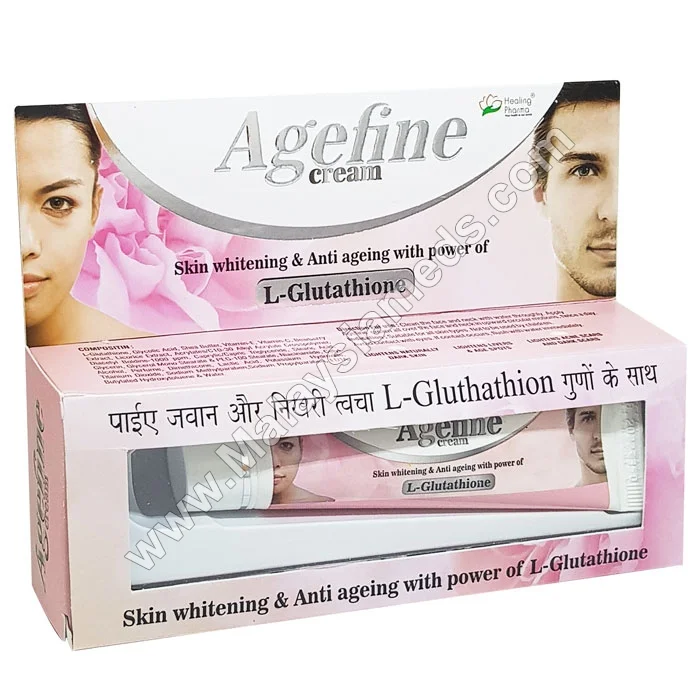
- L-Glutathione Cream (L-Glutathione)
Write a review
L-Glutathione Cream (L-Glutathione) | ||||
|---|---|---|---|---|
| 20gm | Price | Price/unit | Qty | Cart |
| 1 Cream | $10.00 | $10.00 / Cream | ||
| 3 Cream/s | $28.00 | $9.33 / Cream | ||
| 6 Cream/s | $51.00 | $8.50 / Cream | ||
Alternative Medicine
View MoreL-Glutathione Cream is a topical product marketed for skin brightening and for evening out an uneven skin tone. Glutathione is a small, naturally occurring molecule found in nearly every cell of the body, and it has attracted a great deal of interest in skincare because of its role as an antioxidant. This listing is for a 20g tube made by Healing Pharma, India, offered here for customers in Malaysia.
Interest in glutathione for skin has grown quickly, and so has the amount of exaggerated marketing around it. This guide takes a more careful approach. It explains what the cream is, how glutathione is thought to act on skin pigment, what the evidence does and does not show, how the cream is usually applied, and which safety points matter most. It is general information to help you prepare for a conversation with a doctor or pharmacist, not a substitute for personal medical advice.
What Is L-Glutathione Cream?
L-Glutathione Cream contains L-glutathione as its active ingredient in a cream base designed to be spread thinly over the skin. Glutathione is a tripeptide, which means it is built from three amino acids: glutamate, cysteine and glycine. The body makes it on its own, and it is also present in many foods. Inside cells it helps neutralise unstable molecules known as free radicals, and it supports the body's normal detoxification processes.
When glutathione is applied to the skin in a cream, the goal is different from taking it by mouth or by injection. A topical product acts mainly on the outer layers of the skin, where pigment is produced and where sun and pollution do much of their damage. How much glutathione actually reaches the deeper layers of the skin from a cream is not well established, because it is a relatively large and water-loving molecule that does not pass easily through the skin barrier. This is one of the reasons expectations should be modest.
Product Details
- Active ingredient: L-Glutathione
- Form: Topical cream
- Listed indication: Skin whitening (skin brightening)
- Packaging: 20g in tube
- Manufacturer: Healing Pharma, India
- Typical delivery time: 6 to 15 days
How Glutathione Is Thought to Work on Skin
Skin colour is determined mainly by melanin, a pigment made by cells called melanocytes. Melanin is produced inside small structures in these cells, and an enzyme called tyrosinase drives the first steps of the process. When skin is exposed to ultraviolet light, inflammation or hormonal changes, melanocytes can become more active, and the result may be tanning, freckles, sun spots or dark marks that linger after a spot or rash has healed.
Glutathione is believed to influence this pathway in a few ways:
- Antioxidant action. Oxidative stress is one of the signals that can push melanocytes into making more pigment. By helping to neutralise free radicals, glutathione may reduce one trigger for pigment production.
- Effect on tyrosinase. Laboratory studies suggest that glutathione can interfere with tyrosinase activity, which would slow the early steps of melanin formation.
An Honest Look at the Evidence
It is important to be clear about what is known. Most of the mechanisms above come from laboratory work. Human studies of glutathione for skin colour are small, vary in quality, and often involve oral or injected products rather than creams. Some small trials have reported modest lightening in some participants, but others have shown little or no change, and there is no agreed standard dose, strength or treatment length. For topical creams in particular, the evidence is limited.
This means the cream should not be seen as a guaranteed whitening product. Results differ from person to person, depend on natural skin tone, sun exposure, the cause of the pigmentation and how consistently the cream is used, and some people see no visible change at all. Anyone offering a promise of dramatic or permanent lightening is overstating what the science supports.
Who May Consider L-Glutathione Cream?
The cream is listed for skin brightening. People who are commonly interested in this kind of product include:
- People with mild uneven tone or dullness who prefer to avoid stronger depigmenting medicines.
- People with lingering dark marks after spots or minor skin irritation who want to add a supportive product to a routine that already includes sunscreen.
It may be less suitable for people with active skin infections, open wounds, or skin conditions that have not been diagnosed. Dark patches have many causes, including melasma, sun damage, post-inflammatory marks, hormonal changes, certain medicines and, rarely, underlying medical conditions.
If you are looking at stronger, medicine-level options for stubborn pigmentation, a doctor may discuss alternatives such as hydroquinone 4% cream, which works differently and carries its own safety considerations. Such products are generally used for a limited period under guidance.
How to Use L-Glutathione Cream
Always follow the directions given by your doctor or pharmacist and read any leaflet supplied with the product. The steps below describe how topical brightening creams are commonly used.
Step-by-Step Application
- Do a patch test first. Before using the cream on a larger area, apply a small amount to a patch of skin, such as the inner forearm or behind the ear, and wait 24 to 48 hours. If you notice redness, itching, swelling or burning, do not use the cream.
- Cleanse gently. Wash the area with a mild cleanser and lukewarm water, then pat the skin dry.
- Apply a thin layer. A small amount is usually enough. Spread it evenly over clean, dry skin and rub it in gently until absorbed.
- Avoid sensitive areas. Keep the cream away from the eyes, eyelids, lips, inside the nose and mouth, and any broken or irritated skin.
- Wash your hands afterwards. This prevents the cream from reaching your eyes or other sensitive areas.
- Protect the skin from the sun. If you apply the cream at night, use sunscreen the next morning. If you apply it in the morning, put on sunscreen once the cream has absorbed.
How Often to Apply
Brightening creams are usually applied once or twice a day, but the right frequency depends on the instructions for your product and how your skin responds. Starting once a day is a reasonable approach for people with sensitive skin. Using more than directed will not speed up results.
What to Expect
Skin brightening is slow, and patience is needed. Skin renews itself roughly every four to six weeks, so any change in tone usually takes at least that long to appear, if it appears at all. A realistic picture looks like this:
- First few weeks: You are mainly learning how your skin tolerates the cream. Mild dryness or a slight tingling can occur. Visible brightening is generally not expected this early.
- Around 4 to 8 weeks: Some people begin to notice a subtle change in dullness or in the look of dark marks, particularly if they are also protecting their skin from the sun.
- Beyond 3 months: Further change, if any, tends to be gradual. If you have used the cream correctly and seen nothing after about three months, it is reasonable to speak with a doctor about other options.
Possible Side Effects
Many people tolerate topical glutathione well, but any skin product can cause a reaction. Possible effects include:
- Itching or a stinging sensation
- Dryness or slight peeling
- Allergic contact dermatitis, with a rash, swelling or blistering
If you experience a rash, marked swelling of the face, difficulty breathing or severe burning, stop using the cream and seek medical help promptly. Mild irritation that does not settle within a few days should also be reviewed by a doctor or pharmacist.
Important Warnings and Precautions
Pregnancy and Breastfeeding
There is not enough reliable information on the safety of topical glutathione creams during pregnancy and breastfeeding. As a precaution, speak with your doctor before using this cream if you are pregnant, planning a pregnancy or breastfeeding. Do not start or continue it without medical advice in these situations.
Allergy and Sensitive Skin
Do not use the cream if you are allergic to glutathione or to any ingredient in the formulation. Read the ingredient list on the pack.
Broken or Irritated Skin
Do not apply the cream to cuts, grazes, sunburn, rashes, infected skin or skin that is already inflamed. Broken skin can absorb more of a product and is more likely to react.
Eyes and Mucous Membranes
Keep the cream away from the eyes, lips, nostrils and mouth. If it gets in, rinse thoroughly with water.
Using L-Glutathione Cream With Other Skincare
A simple routine is usually best when you are trying a new brightening product. Adding several active ingredients at the same time makes it difficult to tell which product is helping and which is causing irritation. Some general points:
- Introduce one product at a time. Give your skin a couple of weeks to settle before adding anything new.
- Be cautious with other lightening agents. Medicines such as hydroquinone and other depigmenting products should be combined only on the advice of a doctor or pharmacist.
- Consider other options for acne marks. Azelaic acid 10% cream is often discussed for post-acne marks and uneven tone, and is generally considered gentle, but it should still be introduced carefully.
- Be careful with retinoids and exfoliating acids. Products such as tretinoin 0.05% cream speed up cell turnover and can make skin more sensitive. If a doctor recommends both, they will usually advise how to space them across the day or week.
Lifestyle and Sun Protection
If there is one habit that makes the biggest difference to skin tone, it is sun protection. Ultraviolet light is the main driver of new pigmentation, and it can undo the benefits of any brightening product within days. In Malaysia, with strong sunshine all year, this matters even more.
- Use a broad-spectrum sunscreen every morning, even on cloudy days, and reapply every two hours if you are outdoors.
- Wear a hat, sunglasses and light long sleeves where possible, and seek shade between late morning and mid-afternoon.
- Avoid sunbeds and sunlamps completely.
- Do not pick or scratch spots and rashes. Inflammation is a common cause of lingering dark marks.
When to See a Dermatologist
Seek professional advice if you notice any of the following:
- A dark patch that is new, growing, changing shape or colour, bleeding, or has an irregular border
- Pigmentation that does not improve after about three months of correct use
- Skin that becomes red, swollen, painful or blistered after using the cream
Frequently Asked Questions
Will L-Glutathione Cream make my skin whiter?
There is no guarantee. The cream is marketed for skin brightening, but the evidence for topical glutathione is limited and results differ widely between people. Some may notice a subtle improvement in dullness or dark marks, while others may see no change. It should not be expected to change your natural skin tone dramatically.
How long does it take to see results?
Skin changes slowly. If any improvement occurs, it is usually seen after several weeks of regular use, and often after two to three months. If you see no change after about three months of correct use, speak with a doctor about other options.
Can I use it every day?
Many topical brightening creams are applied once or twice daily, but you should follow the directions for your product and the advice of your doctor or pharmacist.
Do I still need sunscreen?
Yes. Sunscreen is essential. Ultraviolet exposure stimulates pigment production, so going out unprotected can cancel out any benefit from the cream and may darken existing marks.
Is it safe to use on the face and body?
Topical creams are commonly applied to the face and body, but the skin on the face is thinner and more sensitive. Always patch test first, avoid the eye area and lips, and stop if irritation develops. Do not use it on broken or inflamed skin.
Availability and Ordering Information
L-Glutathione Cream (Healing Pharma, India) is supplied as a 20g tube. Product availability changes from time to time, so please check the stock status shown at the top of this page before ordering. The typical delivery time is 6 to 15 days. If you are unsure whether this cream suits your skin or your goals, speak with a doctor or pharmacist before buying.
Disclaimer: This information is for general education and is not a substitute for professional medical advice, diagnosis or treatment. Results vary between individuals. Always follow the instructions of your doctor or pharmacist and read any leaflet supplied with the product.
No reviews yet.
L-Glutathione Cream (L-Glutathione) Is Out Of Stock
Sorry! L-Glutathione Cream (L-Glutathione) Is Out Of Stock.
Please click below to view other similar medications.
Leave A Review