What is Primaquine 2.5 mg?
Primaquine 2.5 mg is an antimalarial medication primarily used to prevent and treat malaria infections caused by Plasmodium vivax and Plasmodium ovale parasites. This medicine contains the active ingredient Primaquine, which has been recognised globally for its effectiveness in eradicating malaria parasites from the liver, helping to reduce the risk of relapse.
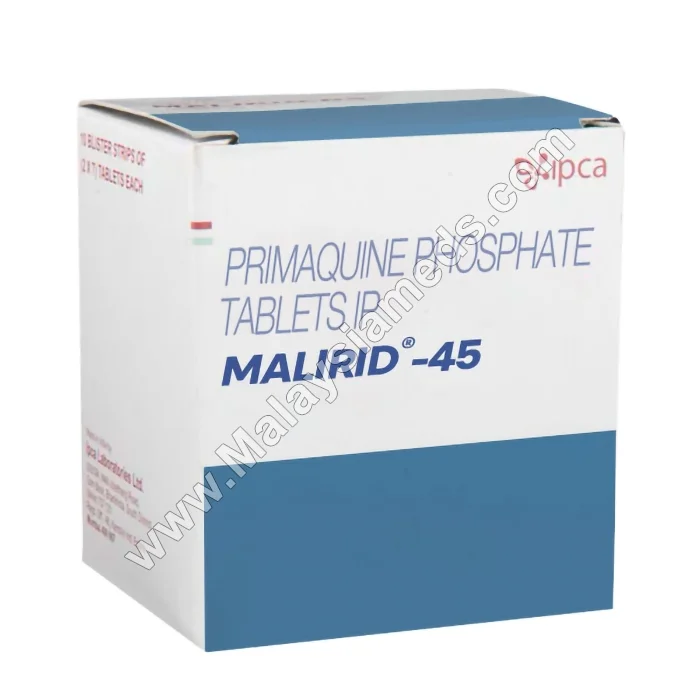
Manufactured by Ipca Laboratories Ltd, a leading pharmaceutical company committed to quality and safety, Primaquine 2.5 mg is formulated to deliver a precise dose ideal for managing malaria efficiently across different patient groups. Its consistent quality assures healthcare providers and patients in Malaysia of a reliable option in malaria treatment.
The medication plays a crucial role beyond just symptom relief, targeting the dormant liver stage of malaria parasites to prevent future outbreaks. Understanding how Primaquine works and its safe administration is essential for effective treatment and prevention strategies in malaria-endemic regions.
Uses of Primaquine 2.5 mg
- Treatment of acute malaria caused by Plasmodium vivax and Plasmodium ovale
- Prevention of malaria relapse by eliminating dormant liver forms (hypnozoites)
- Part of combination therapy for comprehensive malaria management
- Prophylaxis for malaria in individuals traveling to or residing in endemic areas
How Primaquine 2.5 mg Works
Primaquine 2.5 mg works by targeting the liver stages of malaria parasites. After transmission via mosquito bites, malaria parasites enter the liver where some remain dormant as hypnozoites. Primaquine specifically eliminates these latent forms, thereby preventing relapse in infected individuals. The drug also has activity against the blood stages of the parasite, aiding in clearing infections more effectively.
By interfering with the parasite's cellular processes, Primaquine disrupts its life cycle, reducing the likelihood of further parasite development and spread. This dual action makes it an essential component in comprehensive malaria treatment protocols.
How to take Primaquine 2.5 mg
Primaquine 2.5 mg should be taken exactly as prescribed by your healthcare professional. Typically, it is administered orally with food to minimise stomach discomfort. The course duration usually depends on the type and severity of malaria infection being treated.
It is important to complete the full course even if symptoms improve early to ensure all parasites are eliminated and relapse is prevented. Do not alter your dose or stop the medication without consulting your doctor.
Benefits of Primaquine 2.5 mg
- Effective clearance of dormant malaria parasites from the liver
- Prevents malaria relapse, reducing repeated infections
- Supports overall malaria control when used with other antimalarial agents
- Oral dosage is easy to administer and convenient for patients
- Produced by Ipca Laboratories Ltd, ensuring quality and safety
Dosage and Administration
The recommended dose of Primaquine 2.5 mg varies based on patient age, weight, and specific infection characteristics. For adults, typical dosing involves daily administration for a 14-day period. Children’s doses should be calculated carefully according to physician guidance.
Healthcare providers in Malaysia will tailor the dosage according to national malaria treatment guidelines and individual patient needs. Monitoring for side effects during treatment is important to adjust therapy if needed.
Who Should Use Primaquine 2.5 mg?
Primaquine 2.5 mg is suitable for patients diagnosed with malaria infections specifically caused by Plasmodium vivax or Plasmodium ovale. It is also used for individuals at risk of malaria relapse or those undergoing malaria prophylaxis in endemic areas.
Patients without contraindications and under medical supervision can benefit from Primaquine to prevent the recurrence of malaria and support disease control efforts.
Who Should Avoid Primaquine 2.5 mg?
Individuals with known glucose-6-phosphate dehydrogenase (G6PD) deficiency should avoid Primaquine due to risk of hemolytic anemia. Pregnant women and breastfeeding mothers are generally advised against its use unless clearly necessary and prescribed by a healthcare professional.
Patients with a history of hypersensitivity to Primaquine or related compounds should not use this medicine. It is important to consult a doctor before starting Primaquine to evaluate any potential risks.
Side Effects of Primaquine 2.5 mg
- Headache
- Dizziness
- Nausea
- Vomiting
- Abdominal pain
- Diarrhea
- Fatigue
- Dark-colored urine (sign of hemolysis)
- Shortness of breath
- Fever
- Allergic skin reactions (rash, itching)
Safety Advice
- Inform your doctor about any pre-existing health conditions, especially G6PD deficiency
- Take Primaquine at the same time each day with food to reduce stomach upset
- Do not consume alcohol while taking the medication
- Report any unusual symptoms such as dark urine or excessive tiredness immediately
- Avoid abrupt discontinuation of the medicine without consulting your healthcare provider
- Keep out of reach of children
Drug Interactions
- Antimalarials like chloroquine may interact with Primaquine
- Drugs affecting blood cells or causing hemolysis
- Certain antibiotics may affect Primaquine metabolism
- Consult your doctor before using other medications alongside Primaquine
Storage Instructions
Store Primaquine 2.5 mg tablets in a cool, dry place away from direct sunlight. Keep the medicine in its original packaging to protect it from moisture. Ensure the storage temperature is below 30°C. Always keep the medicine out of reach of children and pets.
Where to buy Primaquine 2.5 mg in Malaysia?
Primaquine 2.5 mg is available at licensed pharmacies and healthcare facilities across Malaysia. You can also purchase it from certified online pharmacies that comply with national regulations, ensuring authentic and safe medication supply. Always consult your healthcare provider before buying to confirm the appropriate treatment.
Frequently Asked Questions (FAQ)
What is the price of Primaquine 2.5 mg in Malaysia?
The price of Primaquine 2.5 mg may vary depending on the pharmacy and location. It is generally affordable and accessible in Malaysia, but it is best to check with local or online pharmacies for the most updated pricing.
What happens if I miss a dose?
If you miss a dose of Primaquine 2.5 mg, take it as soon as you remember. If it is close to the time for your next dose, skip the missed dose and continue your regular schedule. Do not double the dose to make up for a missed one.
Where can I find Primaquine 2.5 mg for sale?
Primaquine 2.5 mg is available at licensed pharmacies throughout Malaysia and through trusted online medical suppliers. Ensure you purchase from reputable sources to guarantee product authenticity and safety.
Is Primaquine 2.5 mg available in Malaysia?
Yes, Primaquine 2.5 mg is available in Malaysia and is included in malaria treatment protocols. It is distributed by Ipca Laboratories Ltd and accessible under medical prescription.
Can Primaquine 2.5 mg be used for malaria prevention?
Yes, Primaquine is sometimes used as part of malaria prevention, especially in areas where relapsing malaria is common. Always consult a doctor for appropriate prophylactic use based on your travel or residence risk.
Are there any special precautions for pregnant women using Primaquine 2.5 mg?
Primaquine is generally not recommended during pregnancy due to potential risks to the fetus. Consult your healthcare provider for safer alternatives and advice if you are pregnant or planning pregnancy.
Can Primaquine 2.5 mg cause allergic reactions?
Some patients may experience allergic skin reactions such as rash or itching. If you notice these or other signs of allergy, seek medical attention promptly.
Conclusion
Primaquine 2.5 mg is a vital medication for the treatment and prevention of malaria relapse, particularly effective against liver-stage parasites. Manufactured by Ipca Laboratories Ltd, it offers a reliable, quality-assured solution for patients in Malaysia. Proper usage following medical advice ensures maximum benefit with minimal risks, contributing to better malaria control and improved patient outcomes.


Leave A Review