What is Clindamycin 300 mg?
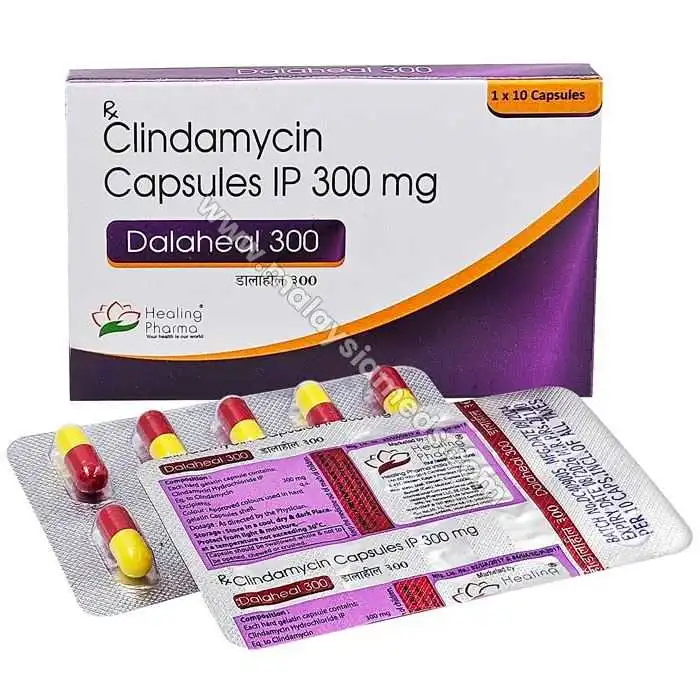
Clindamycin 300 mg is a potent antibiotic medication used to treat a variety of bacterial infections. Manufactured by Healing Pharma, India, this capsule contains the active ingredient Clindamycin, which helps to inhibit the growth of harmful bacteria in the body. It is commonly prescribed by healthcare professionals in Malaysia and worldwide to manage infections that require effective antibiotic therapy.
Uses of Clindamycin 300 mg
Clindamycin 300 mg is primarily indicated for the treatment of serious bacterial infections including infections of the respiratory tract, skin and soft tissue, bones and joints, and intra-abdominal infections. It is also effective against infections caused by susceptible anaerobic bacteria. This medication is suitable for patients who require an alternative to penicillin, especially in cases of allergy or resistance. Its broad antibacterial activity makes it a reliable choice in clinical practice.
How Clindamycin 300 mg Works
The action of Clindamycin 300 mg is based on its ability to interfere with bacterial protein synthesis. Clindamycin binds to the 50S subunit of the bacterial ribosome, thereby inhibiting the translocation steps in protein elongation. This halts bacterial growth and multiplication, leading to the elimination of the infection. Since it blocks protein production in bacteria, it is classified as a bacteriostatic antibiotic, though it can be bactericidal at higher concentrations. This mode of action ensures effective control of bacterial populations in various infections.
Benefits of Clindamycin 300 mg
- Effectively treats a wide range of bacterial infections, especially anaerobic bacteria.
- Suitable for patients allergic to penicillin.
- Available in easily administered capsule form with convenient 300 mg dosage.
- Widely trusted and produced by Healing Pharma, ensuring quality and consistency.
- Can be used in combination with other therapies for enhanced efficacy in complicated infections.
Dosage and Administration
For adults, the usual recommended dose of Clindamycin 300 mg is 150 to 450 mg every 6 to 8 hours, depending on the severity and type of infection. The capsules should be taken orally with a full glass of water, preferably with or after meals to reduce gastrointestinal discomfort.
It is crucial to follow the dosage prescribed by your healthcare provider and complete the full course, even if symptoms improve earlier, to prevent the development of antibiotic resistance and recurrence of infection.
Who Should Use Clindamycin 300 mg?
This medication is recommended for patients diagnosed with bacterial infections known to be susceptible to clindamycin. It is especially useful for those who cannot tolerate penicillin antibiotics. Your healthcare provider will determine suitability based on your infection type, medical history, and possible contraindications.
Who Should Avoid Clindamycin 300 mg?
Patients with a history of hypersensitivity or allergy to clindamycin or lincomycin should avoid using this medication. It is also contraindicated in individuals with a history of antibiotic-associated colitis or gastrointestinal conditions that could be aggravated by clindamycin use. Pregnant and breastfeeding women should consult their healthcare professional before taking this medicine to ensure safety.
Possible Side Effects
Like all medications, Clindamycin 300 mg may cause side effects in some users. Common side effects include nausea, vomiting, diarrhea, abdominal cramps, and skin rash. In rare cases, it can cause severe allergic reactions or antibiotic-associated colitis, which requires immediate medical attention.
If side effects persist or worsen, contacting a healthcare provider promptly is essential. Maintaining hydration and reporting any signs of unusual bowel movements or allergic reactions helps ensure safe treatment.
Safety Advice
Before starting Clindamycin, inform your doctor about any existing medical conditions, especially liver or kidney problems. Avoid consuming alcohol while on this medication to reduce the risk of gastrointestinal upset. Use caution if you are taking other medicines, and always disclose all medications and supplements to your healthcare professional to prevent interactions.
Drug Interactions
Clindamycin can interact with other drugs such as muscle relaxants, erythromycin, and certain antidiarrheal agents. Concurrent use with these medications may alter its effectiveness or increase side effects. Always consult a healthcare provider before combining Clindamycin with other treatments to ensure safety and optimal therapeutic outcomes.
Storage Instructions
Store Clindamycin 300 mg capsules in a cool, dry place away from direct sunlight and moisture. Keep the medication out of reach of children and pets. Avoid storing it in bathrooms or places with high humidity. Proper storage helps maintain the efficacy and shelf life of the medicine.
Where to buy Clindamycin 300 mg?
Customers in Malaysia can buy Clindamycin 300 mg capsules from licensed pharmacies, healthcare providers, or trusted online platforms. Always ensure that you purchase from authorized sellers to guarantee product authenticity, quality, and safety. Consult your physician for a valid prescription before purchasing this antibiotic.
Frequently Asked Questions (FAQ)
How long does it take for Clindamycin 300 mg to work?
Most patients begin to notice improvement within 2 to 3 days of starting treatment. However, it is important to complete the full course even if symptoms resolve early to fully eradicate the infection.
What should I do if Clindamycin does not seem to work?
If there is no improvement after 72 hours or if symptoms worsen, contact your healthcare provider. They may reevaluate your diagnosis or adjust your treatment plan accordingly.
Can I take Clindamycin 300 mg with other medicines?
Inform your doctor about all medications you are currently taking. Some drugs may interact with Clindamycin, so your healthcare professional will guide whether it is safe to take them together.
Is Clindamycin safe for older adults?
Yes, but dosage adjustments may be necessary if there are kidney or liver issues. Older adults should use Clindamycin under medical supervision to minimize risks.
What should I do if I miss a dose?
Take the missed dose as soon as you remember unless it is close to the time for the next dose. Do not double the dose to make up for a missed one.
Can side effects of Clindamycin be prevented?
Taking the medication with food can help reduce gastrointestinal discomfort. Staying hydrated and reporting any unusual symptoms early can also help manage side effects effectively.
Is Clindamycin 300 mg safe for daily use?
Clindamycin should be used only as prescribed and for the recommended duration. Prolonged or unnecessary use may lead to resistance or adverse effects.
When should I avoid using Clindamycin 300 mg?
Avoid using this antibiotic if you have a known allergy to clindamycin or related drugs, have experienced severe diarrhea caused by prior antibiotic use, or if advised against by your healthcare provider.
Conclusion
Clindamycin 300 mg capsules are a trusted and effective treatment option for many bacterial infections. With its targeted antibacterial action and convenient dosing, it remains an important medication for patients in Malaysia and beyond. Always use Clindamycin under medical supervision, adhering to prescribed guidelines to ensure safety and optimal therapeutic benefits.


Leave A Review