What is Adrenaline / Epinephrine?
Adrenaline / Epinephrine is a vital medication used in emergency medical situations to manage severe allergic reactions and cardiac arrest. It is a naturally occurring hormone produced by the adrenal glands that plays a crucial role in the body's fight-or-flight response. In pharmacology, synthetic adrenaline is administered to quickly reverse life-threatening conditions by stimulating vital organ functions.
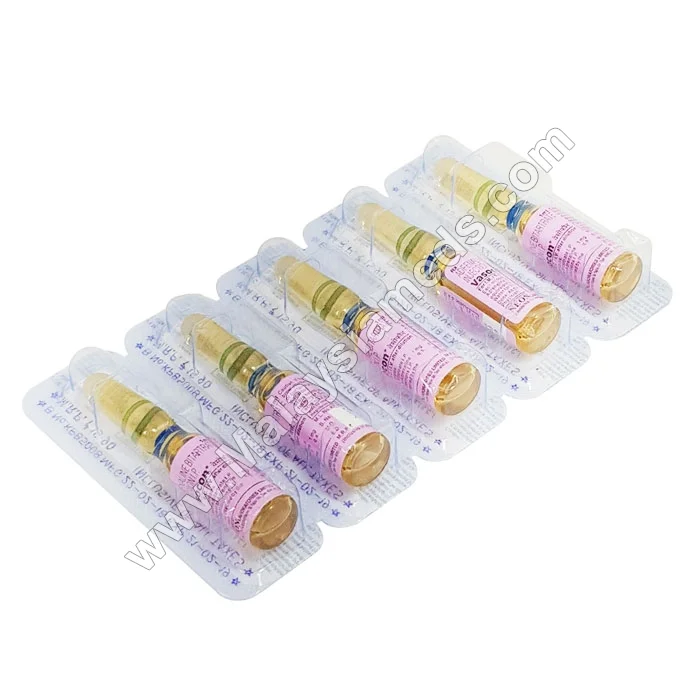
Manufactured by Neon Laboratories, this medicine is formulated to provide fast and effective relief during critical times. Adrenaline acts on various receptors in the body to improve heart rate, blood flow, and airway function, making it indispensable in emergency treatments.
The use of adrenaline in medical practice is widely accepted worldwide, including in Malaysia, where timely administration can save lives during episodes such as anaphylaxis or sudden cardiac events. It is a cornerstone drug in advanced life support and emergency care protocols.
Understanding the proper use and effects of adrenaline is essential for healthcare providers and individuals at risk of severe allergic reactions to ensure it is administered promptly and safely.
Uses of Adrenaline / Epinephrine
- Treatment of severe allergic reactions (anaphylaxis)
- Management of cardiac arrest and restoration of heartbeat
- Relief of severe asthma attacks when other treatments, such as a beclomethasone inhaler, fail
- Control of airway swelling due to allergic responses, alongside antihistamines such as dexchlorpheniramine
- Used in emergency resuscitation procedures
How Adrenaline / Epinephrine Works
Adrenaline / Epinephrine works by stimulating both alpha and beta-adrenergic receptors throughout the body. Its alpha-adrenergic effects cause vasoconstriction, which raises blood pressure and reduces swelling. Beta-adrenergic stimulation increases the heart rate and strengthens cardiac contractions, improving blood circulation.
Additionally, adrenaline relaxes the muscles in the airways, facilitating easier breathing during asthma attacks or allergic reactions. By quickly reversing symptoms of severe allergic reactions and cardiac dysfunction, adrenaline stabilizes patients and supports vital organ function in emergency situations.
How to take Adrenaline / Epinephrine
Adrenaline is commonly administered via intramuscular injection, often using an auto-injector device for rapid delivery. The injection is typically given in the outer thigh muscle.
In hospital settings, adrenaline may be administered intravenously or subcutaneously by healthcare professionals according to the severity of the condition. It is important to follow the prescribed dosage and instructions to avoid complications.
Patients with known allergies should carry prescribed adrenaline auto-injectors and seek immediate medical attention after administration.
Benefits of Adrenaline / Epinephrine
- Rapid reversal of life-threatening allergic reactions
- Effective restoration of heartbeat during cardiac arrest
- Improves breathing by relaxing airway muscles
- Raises blood pressure to critical levels in shock conditions
- Widely accepted and trusted emergency medication
Dosage and Administration
Dosage depends on the indication, patient age, and weight. For anaphylaxis, a typical adult dose is 0.3 to 0.5 mg administered intramuscularly. Children usually receive 0.01 mg/kg body weight. In cardiac arrest, doses may be repeated every 3 to 5 minutes intravenously as needed under medical supervision.
Adrenaline auto-injectors come in fixed doses for ease of use. Always adhere to the dosing instructions provided by a healthcare professional or included with the product.
It is crucial not to exceed the recommended doses to prevent severe side effects.
Who Should Use Adrenaline / Epinephrine?
Individuals experiencing severe allergic reactions or anaphylaxis should use adrenaline immediately. It is also essential for patients at high risk of anaphylaxis to carry adrenaline auto-injectors.
Medical professionals administer adrenaline during cardiac arrest and other emergencies requiring immediate cardiovascular support.
Consultation with a healthcare provider is necessary to determine if adrenaline is appropriate for specific health conditions.
Who Should Avoid Adrenaline / Epinephrine?
Patients with certain heart conditions such as severe coronary artery disease should use adrenaline cautiously under strict medical supervision.
Individuals with known hypersensitivity to adrenaline or any component of the formulation should avoid its use.
Pregnant or breastfeeding women should consult healthcare providers before use to weigh potential risks and benefits.
Adrenaline must be used carefully in patients with high blood pressure, hyperthyroidism, or certain types of heart arrhythmias.
Side Effects of Adrenaline / Epinephrine
- Rapid or irregular heartbeat
- Anxiety or nervousness
- Tremors or shaking
- Headache
- Paleness
- Dizziness or lightheadedness
- Sweating
- Nausea
- Chest pain
- Difficulty breathing
- Weakness
Safety Advice
- Use adrenaline only as directed by a healthcare professional
- Seek immediate medical help after administration
- Do not exceed recommended doses
- Store auto-injectors at room temperature away from light and moisture
- Regularly check expiry dates and replace expired devices promptly
- Inform your doctor about all medical conditions before use
- Avoid use if allergic to any component of the product
- Keep out of reach of children
Drug Interactions
- Beta-blockers may reduce adrenaline effectiveness
- Monoamine oxidase inhibitors (MAOIs) can increase adrenaline effects
- Other sympathomimetic drugs may intensify side effects
- Tricyclic antidepressants may enhance cardiovascular reactions
- General anesthetics require cautious adrenaline use
Storage Instructions
Store adrenaline at controlled room temperature between 20°C and 25°C. Protect the medication from extreme heat, cold, and direct sunlight. Auto-injectors should not be refrigerated or frozen. Keep the product in its original packaging until use to maintain stability. Dispose of expired or used devices safely according to local guidelines.
Where to buy Adrenaline / Epinephrine in Malaysia?
Adrenaline / Epinephrine by Neon Laboratories is available in licensed pharmacies and medical supply stores across Malaysia. It can also be purchased through verified online pharmaceutical retailers adhering to Malaysian regulations. Ensure to obtain the medication only from trusted sources with valid prescriptions where required to guarantee authenticity and safety.
Frequently Asked Questions (FAQ)
What is the price of Adrenaline / Epinephrine in Malaysia?
The price varies based on the dosage form and supplier. Typically, adrenaline auto-injectors range from moderate to higher price points due to their specialized emergency use. Consult local pharmacies or online retailers for current pricing.
What happens if I miss a dose?
Adrenaline is used for acute emergencies, not on a scheduled basis. If a dose is missed during an allergic reaction emergency, seek immediate medical attention as delays can be life-threatening.
Where can I find Adrenaline / Epinephrine for sale?
You can find adrenaline at authorized pharmacies, hospitals, and licensed online medical suppliers in Malaysia. Always purchase from reputable sources to ensure product safety and authenticity.
Is Adrenaline / Epinephrine available in Malaysia?
Yes, adrenaline is readily available in Malaysia, supplied by reputable manufacturers like Neon Laboratories and stocked in hospitals and pharmacies nationwide.
Can I use Adrenaline / Epinephrine if I have high blood pressure?
Caution is advised for patients with hypertension. Consult your healthcare provider before use to assess risks and benefits and ensure safe administration.
How should I store my adrenaline auto-injector?
Keep the auto-injector at room temperature, away from direct sunlight, heat, and moisture. Check expiry regularly and replace as needed.
Can Adrenaline / Epinephrine be used for asthma attacks?
Adrenaline may be used in severe asthma attacks when other treatments fail, but always under medical supervision. It relaxes airway muscles and eases breathing during critical episodes.
Conclusion
Adrenaline / Epinephrine is a critical medication for managing severe allergic reactions and cardiac emergencies. Manufactured by Neon Laboratories, it provides rapid, effective relief by supporting heart function and airway openness. Proper understanding of its use, dosage, and safety precautions is essential for maximizing benefits and minimizing risks. For individuals in Malaysia, adrenaline remains an indispensable lifesaving treatment in urgent medical situations.

Leave A Review